Philadelphia isn't talked about enough as a challenging region for flooring. It sits in a band where there are real winters- dry frigid air that contracts the wood, as well as humid summers that force water into every aspect of the. Consider the fact that a vast majority of the residential inventory is old and without uniform climate control for every room, and you'll be faced with circumstances that highlight the weaknesses of any flooring material which isn't suitable to the conditions. What is effective with the climate of Phoenix or Seattle will not work in Philadelphia. This guide details the way each type of flooring performs in Philadelphia homes during all four seasons.
1. Solid Hardwood Needs Respect for the Climate
Solid hardwood is not a low-maintenance option in Philadelphia. It's very effective when installed correctly, properly acclimated to, and kept in a house that is able to maintain a stable humidity -- ideally between 35 and 55 % all year. If the conditions aren't there the wood will show seasonal gapping in winter and cupping during summer. Older homes without central air or consistent heating distribution are among the most dangerous places for solid hardwood. It doesn't mean that it's the ideal choice but it makes proper installation and ongoing humidification a must.
2. Engineered wood was designed to withstand this Climate
The layered cross-ply design of engineered wood blocks the expanding and contracting that causes solid wood to change shape and size during the seasons. It's real wood to the outside -real grain, real style, refinishable on the basis of how thick the wear layer is -- with significantly better dimensional stability underneath. For Philadelphia homes, and especially located in Bucks County and Montgomery County where older homes are prone to unpredictable basement moisture, engineered flooring finds a place that solid wood simply can't achieve in unpredictable conditions.
3. LVP Is the Most Climate-Tolerant Option
The premium vinyl plank isn't able to absorb moisture, doesn't shrink with dry winter conditions, and does not care whether your HVAC is on continuously or not. For Philadelphia homeowners who are dealing with basements or below-grade spaces or rooms with a dramatic swing over the course of the years, LVP is an option which will keep on performing. Installation of waterproof flooring is now one of the more sought-after solutions for flooring contractors across Delaware County and South Jersey because of the homeowners who have learned the lesson of this type of installation, often after having a water-related issue with a different product.
4. Laminate is the climate weak Links in the Lineup
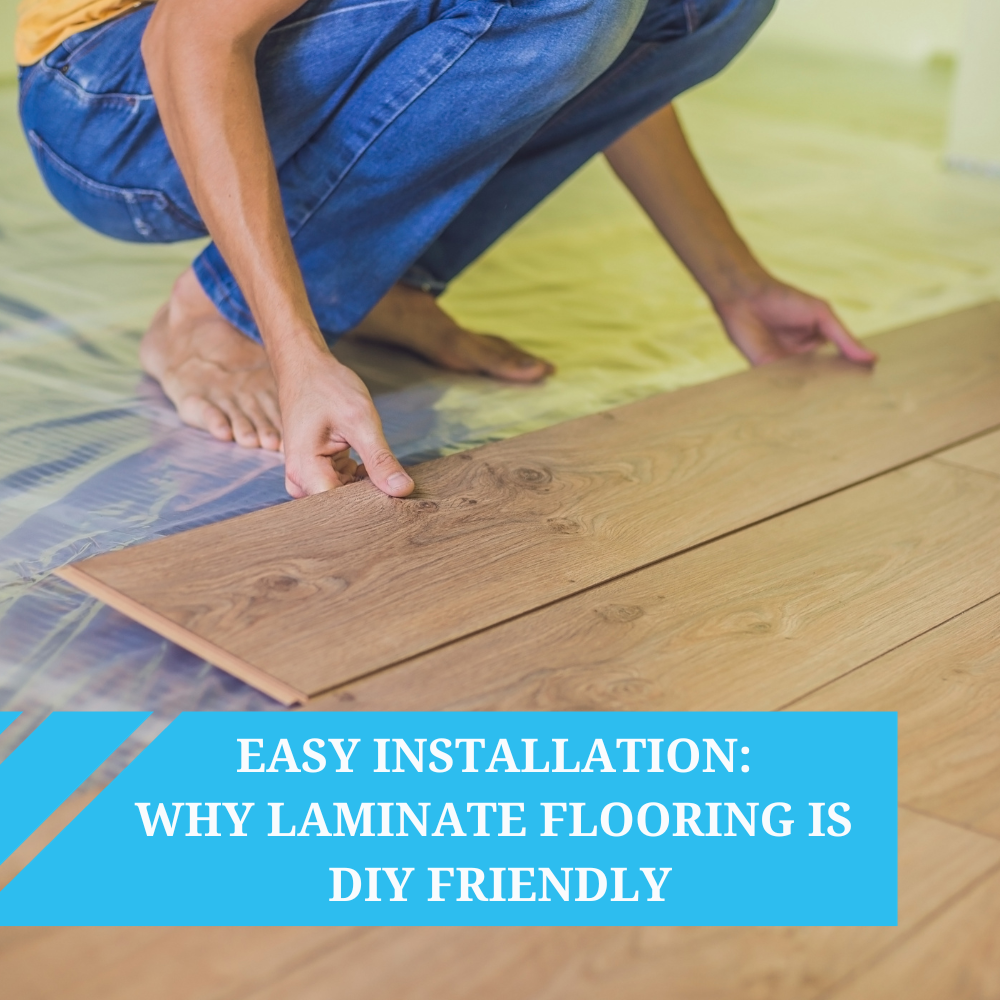
Laminate flooring appears like LVP on paper, but performs extremely differently in humid conditions. It is made of wood fiber which absorbs moisture, expands around the edges, and after the damage has started it isn't able to reverse. If you live in a climate-controlled and dry Philadelphia home, it's likely to last well for many years. In a rowhome kitchen, a basement, or any room that has high humidity levels, laminate can cause problems. In most cases, low-cost flooring installation quotes involve laminate in spaces that LVP could be a more prudent decision to make.
5. Porcelain Tiles Refuse Philadelphia's humidity
From a point of view of moisture resistance porcelain tile is the top choice. It doesn't expand, doesn't change shape, isn't able to absorb water, and can outlast any other flooring option that is used in humid and wet environments. The tradeoff is that it's frigid in winter, it is hard on joints, and the grout will require maintenance. Porcelain tile installation for Philadelphia bathrooms and kitchens remains in high demand for a good reasonit's the ideal solution for rooms that have this weather.
6. Ceramic Tile Works but Has Limits on Porosity
Ceramic tile is a step above the porcelain tile in density and resistance, but it's still above any other flooring made of wood choice in damp areas. When it comes to bathroom tile installation, and kitchen flooring in Philadelphia homes, it is a viable option, particularly where budget is a factor since it costs significantly less than the cost of porcelain per square foot. The main difference is the fact that it shouldn't be used for areas that might be exposed to exposed to freezing or standing-water and exterior applications are an area where porcelain clearly wins.
7. Wide Plank Hardwood Needs Extra Humidity Management
It's a point that a lot of homeowners are not aware of until too late. Wider planks of solid hardwood at five inches and above have a greater tendency to move when humidity changes over narrow-strip flooring. The climate in Philadelphia is seasonal. the wide plank of solid hardwood in a house with inadequate humidity control may show visible gaps in winter. These can be closed after summer. Flooring contractors who deal regularly with wide plank will bring this up in the beginning. Anyone who doesn't is getting you ready for the worst winter ever with your brand new floors.
8. Subfloor Moisture is a Different Problem from Ambient Moisture
Two distinct problems and require different options. Ambient household humidity affects how wood flooring expands or contracts in the course of the seasons. Subfloor humidity -- vapor emission through concrete slabs absorption through older boards or insufficient crawlspace ventilation is a serious threat to adhesive bonds and floating flooring stability. It is essential to conduct a thorough analysis of the subfloor prior installing flooring at Philadelphia, Bucks County, or Delaware County homes should include moisture readings, not just visual inspection.
9. Acclimation Time Is Not Optional in This Region
Hardwood flooring should be acclimatized to the particular temperatures and humidity of your residence prior to installation. generally 3 to 7 days within the space. In Philadelphia doing this, or speeding up this process is the reason you end getting floors that shift quite a bit after installation as the wood isn't adjusted to the environment in which your home is. The flooring installers licensed by the state schedule the time of acclimation into their projects timetables. Cost-conscious contractors who show up and begin installing the same date the flooring arrives creating a rift that will eventually reveal.
10. A good climate selection is Always Site-Specific
The Montgomery County home with a complete basement, central HVAC and year-round humidity control is a fundamentally different situation from an Philadelphia rowhome that has radiator heating and no air conditioning with a damp cellar beneath. Flooring that is great within one setting will struggle for the next. The flooring specialists worth hiring aren't recommending items from a catalog- they read the actual conditions of your house and match the material to the specific conditions it will live in for the next twenty years. Check out the top
hardwood flooring Montgomery County for more advice including flooring contractors Delaware County PA, LVP flooring contractors Philadelphia, flooring installation Montgomery County PA, tile flooring installation Philadelphia, flooring installers South Jersey, LVP flooring Philadelphia PA, tile flooring contractors Philadelphia PA, engineered hardwood installation Philadelphia, flooring installation cost Philadelphia, LVP flooring installation Philadelphia and more.
Waterproof Flooring Options For Philadelphia Bathrooms
Bathrooms are the areas where flooring choices have the lowest margin for error. Each other room in a Philadelphia house can take the use of a flooring material that is water-resistant while a bathroom will not. Showers' steam, water around the base of the toilet and in the splash zones of sinks as well as the general humidity that baths generate daily will show every defect in a flooring material that's not really waterproof. Philadelphia homes have additional issues such as subfloors with a history that contain moisture as well as bathrooms that were not updated since the 1970s, as well as in many rowhomes bathrooms stacked above finished living spaces in which a flooring problem could cause a ceiling problem downstairs. What actually does and doesn't work and the questions to ask prior to any bathroom floor going in.
1. Porcelain Tile remains the Benchmark Every Other Tile is Compared
There's an explanation for why porcelain tiles have been the predominant bathroom flooring choice for decades It is impervious to water when it touches the tile's surface, and can withstand steam and humidity without degrading or deteriorating, and with proper installation and grout sealing, it will outlast all other options in an environment that is wet. Porcelain tile installation for Philadelphia bathroom is the most popular option with the longest documented track record. The disadvantages are realit is cold underfoot, abrasive joints, and grout maintenance needed -- but there's no other product that matches its performance of waterproofing and long-lasting durability in a bathroom setting.
2. Ceramic Tile is a Reliable Step Down, But Not an equivalent alternative
It is true that porcelain and clay are frequently mentioned in the same breath, but they're definitely not the same product for bathroom use. This is because porcelain has a higher level of porousness than ceramic, which matters in a room where humidity is not only regular. For a powder space or a guest bathroom with low use, ceramic tile flooring is a viable and less expensive option. If you are looking to renovate a bathroom that is the primary one in an Philadelphia home that is subject to daily showering, the strength and resistance to moisture of porcelain is worth the extra expense to the square foot. The process of installation is comparable and the results over time is not.
3. LVP is the most practical option for waterproofing tile
Luxury vinyl plank has truly gained its place in the bathroom flooring conversation. The flooring is 100 percent waterproof. The material's core doesn't soak up water, the surface doesn't break down with humidity, and it's more comfortable and warmer underfoot than tile. The caveat to installation for bathrooms is that LVP's waterproofing is applied on the planks and not necessarily to the seams that connect them. In a bathroom with significant water exposure -- for instance, a walk-in shower that is not protected by a barrier, a bathtub that is freestanding with a large amount of water, it is possible for water to make across planks until it get to the subfloor in time. Correct installation and seam sealing is important more than in any other bathroom.
4. Laminate in a Bathroom is A Mistake You'll regret
This is necessary to explain clearly, as laminate is still showing up as a bathroom floor estimate, mostly due to its low cost. Laminate comes with a wood-fiber core. The continuous bathroom and the wood fiber moisture are incompatible. The edges expand, the joints lift, the layer separates and the wear and tear accelerates in the bathroom faster than in any other room in the house. The installation of cheap flooring that places laminate in a Philadelphia bathroom isn't an affordable deal, it's replacing work that's delayed by several years. Any flooring installer who recommends laminate as a primary bathroom flooring needs to be asked the reasons.
5. The Subfloor of a Philadelphia Bathroom Does Not Need a Comprehensive Assessment
Older Philadelphia rowhomes and suburban colonials often have subfloors for bathrooms that have an existing humidity history -- such as leak staining or soft spots due to years of exposure to water or board subfloors from the beginning that have absorbed more than they would have. Installing new waterproof flooring over a damaged subfloor isn't going to fix what's wrong, it covers it while it continues to age. Subfloor repairs in Philadelphia bathrooms before new flooring is laid down isn't an upsell, but a prerequisite for the new flooring to work correctly and not fail prematurely.
6. Floor Heating Compatibility Varies by Material
Radiant floor heating on bathrooms -- increasingly sought-after for Montgomery County and Delaware County home improvements -- isn't appropriate for every flooring material. Porcelain tile holds and conducts the heat efficiently, which makes it the ideal surface over an heated subfloor. LVP is ideal for radiant heating but is subject to temperature thresholds and needs to be abided by -- too much heat can lead to dimensional instability. If you are considering bathroom floor heating as part of your remodel, your flooring material selection and the heating system specification need to be in dialogue with each other, not separately.
7. The layout of the bathroom tiles affects both The Appearance as well as the Water Management
This particular aspect is what separates knowledgeable tile flooring contractors from installers who only know how to put tiles. Bathroom floors require a slight slope towards drain -- typically 1/4 inch per ftfor the reason of preventing standing water. Tile layouts that do not account the slope, or that opposes it with large-format tiles that span the slope, can cause issues with pooling, which eventually work through the subfloor. In the discussion regarding layout with your contractor should also include how the tile pattern is interacted in relation to the location of the drain, not just how it looks on paper.
8. Grout Selection in Bathrooms is an important choice
Standard sanded grout in bathrooms must be sealed at installation and periodic sealing throughout its life. Epoxy grout -- which is more dense priced, more expensive, as well as less resilient to installis completely impervious staining or moisture and does not require sealing. This grout is suitable for Philadelphia shower tile, where the homeowner is looking for low maintenance, epoxy grout is worth paying for the additional labor expense. For homeowners who want to maintain regular maintenance on their grout, standard grout that is sealed properly. What's not working is normal grout which doesn't get sealed in a bathroom with a high humidity area.
9. Small Format Tiles Manage Bathroom Floors Slopes Better
The trend towards large format tile, 24x24 or bigger that work well in living spaces and kitchens faces practical issues in bathrooms. These tiles are much more difficult to tilt towards drains without creating apparent unevenness. Additionally, they require exceptionally flat subfloors to avoid lippage. Smaller-sized format tiles (12x12 and lower, and especially mosaic tiles -- follow the contours of the bathroom floor better, can manage the drain slope more easily and create greater grout lines, which increase the resistance to slip when wet. Philadelphia tile flooring professionals with extensive experience in bathrooms will engage in this discussion before layout decisions are finalized.
10. Bathroom Flooring and Wall Tile Should be Specified Together
A mistake that causes an aesthetic remorse more than practical problems. However, it's worthwhile to avoid either. The bathroom floor tile and the wall tile interact visually in restricted space in ways that cannot be fully understood without samples. Scale, pattern direction, grout color, as well as the finish each need to be taken into account together. Flooring contractors who also do bathroom tile installation Philadelphia work can co-ordinate this. They who focus on flooring and leave wall tiles to a separate contractor, create situations where the final result appears as though two people took decisions independently - because they did. Have a look at the best See the recommended custom hardwood staining Philadelphia for website info including subfloor repair Philadelphia, laminate flooring installation Philadelphia, flooring installation Philadelphia, flooring installation cost Philadelphia, LVP floor installation cost Philadelphia, flooring contractors Philadelphia PA, flooring contractors Delaware County PA, laminate flooring installation Philadelphia, affordable flooring installation Philadelphia, licensed flooring installers Philadelphia and more.
